Home Inspection Cost in Johns Creek
If you’re buying a home in Johns Creek or North Metro Atlanta, it’s normal to ask: “How much does a home inspection cost?”
But the better question is: “What does a great inspection protect me from?”
For example, Johns Creek homes span a wide range of price points—from condos and townhomes to larger homes in higher-end neighborhoods. Regardless of purchase price, the goal of a home inspection is the same: reduce surprises, identify safety and major repair risks, and help you move forward with confidence.
In Johns Creek, many buyers are very value-focused and negotiation-savvy—which is a smart mindset. However, with inspections, the goal isn’t saving the last $50–$100. Instead, the goal is preventing a missed issue that turns into a $5,000–$25,000 repair after closing. A thorough inspection is one of the best “ROI decisions” you can make during the purchase.
A quality inspection should deliver the same level of detail and attention whether you’re buying a $400K home or a high-end property.
If you’d like a thorough inspection with clear explanations and photo documentation, visit my Home Inspection Services page or Schedule Your Inspection Online.
Buyer Cheat Sheet: Quick Wins
If you only remember a few things, start here:
- Compare scope + reporting quality, not just the lowest price
- Ask to see a sample report before booking
- Prioritize inspectors who spend real time on the attic, roof, crawlspace, drainage, structure, and major systems
- Photo documentation + clear explanations matter more than “fast and cheap”
- A good inspection helps you negotiate repairs (or walk away) with confidence
What Does a Home Inspection Cost in Johns Creek?
Home inspection pricing varies based on the home and the inspection scope—there’s no true “one-size-fits-all” rate.
Cost is typically influenced by the following:
1) Home Size and Complexity
Generally, more square footage means more components to evaluate—roof area, attic space, HVAC systems, plumbing fixtures, and electrical circuits.
2) Age of the Home
Older homes often have multiple layers of repairs or updates. Consequently, they require extra time and experience to evaluate properly.
3) Foundation Type and Access
Attics, crawlspaces, basements, and tight-access areas all add time and complexity to an inspection.
4) Roof Design and Accessibility
Steep or complex roofs, multiple penetrations, or limited access can affect inspection duration and safety protocols.
5) Add-On Services
Many buyers include Radon Testing for a more complete picture of health and safety.
What a Quality Inspection Should Include
A strong inspection isn’t just a “checklist.” Instead, it’s a construction-informed evaluation designed to answer:
- What matters most right now?
- What’s a safety concern?
- What could turn into a major repair cost?
- What’s normal maintenance?
- What should be improved over time?
A quality inspection should include thorough review of:
- Roofing and visible drainage
- Attic conditions (ventilation, insulation, moisture patterns, duct issues)
- Electrical system (panel observations, safety concerns, GFCI/AFCI where applicable)
- HVAC performance and visible condition
- Plumbing fixtures, water heater, and visible leaks
- Foundation and structure overview
- Exterior grading and moisture risk conditions
- Interior conditions that indicate leakage, movement, or deferred maintenance
- Photo documentation + clear descriptions so buyers understand the issue
For a full breakdown, visit my Home Inspection Services page.
Why the Cheapest Quote Can Be Risky
Negotiating is smart—especially when buying a home. However, the biggest risk is hiring someone who:
- Rushes through the job
- Skips the attic or crawlspace detail
- Provides a vague, low-photo report
- Doesn’t explain what’s important vs. what’s cosmetic
Ultimately, a few hundred dollars saved can disappear quickly if key items are missed:
- Moisture intrusion and hidden leakage patterns
- Roof flashing defects
- HVAC condensate drainage issues (a common headache)
- Electrical safety hazards
- Drainage problems in crawlspaces or basements
- Attic duct leaks and insulation gaps
The inspection is not where you want shortcuts. It’s where you want the highest confidence.
What Buyers (and Agents) Should Ask Before Booking
These questions quickly separate a high-quality inspector from a “fast and cheap” one:
“Can I see a sample report?”
Look for:
- Clear organization
- Plenty of photos
- Plain-English explanations
- Practical recommendations (not panic language)
“How long will the inspection take?”
Truly thorough inspections take time. If someone quotes an extremely short duration, it’s worth asking what gets skipped.
“Do you inspect the attic and crawlspace?”
Some of the most expensive surprises in Johns Creek hide in these spaces.
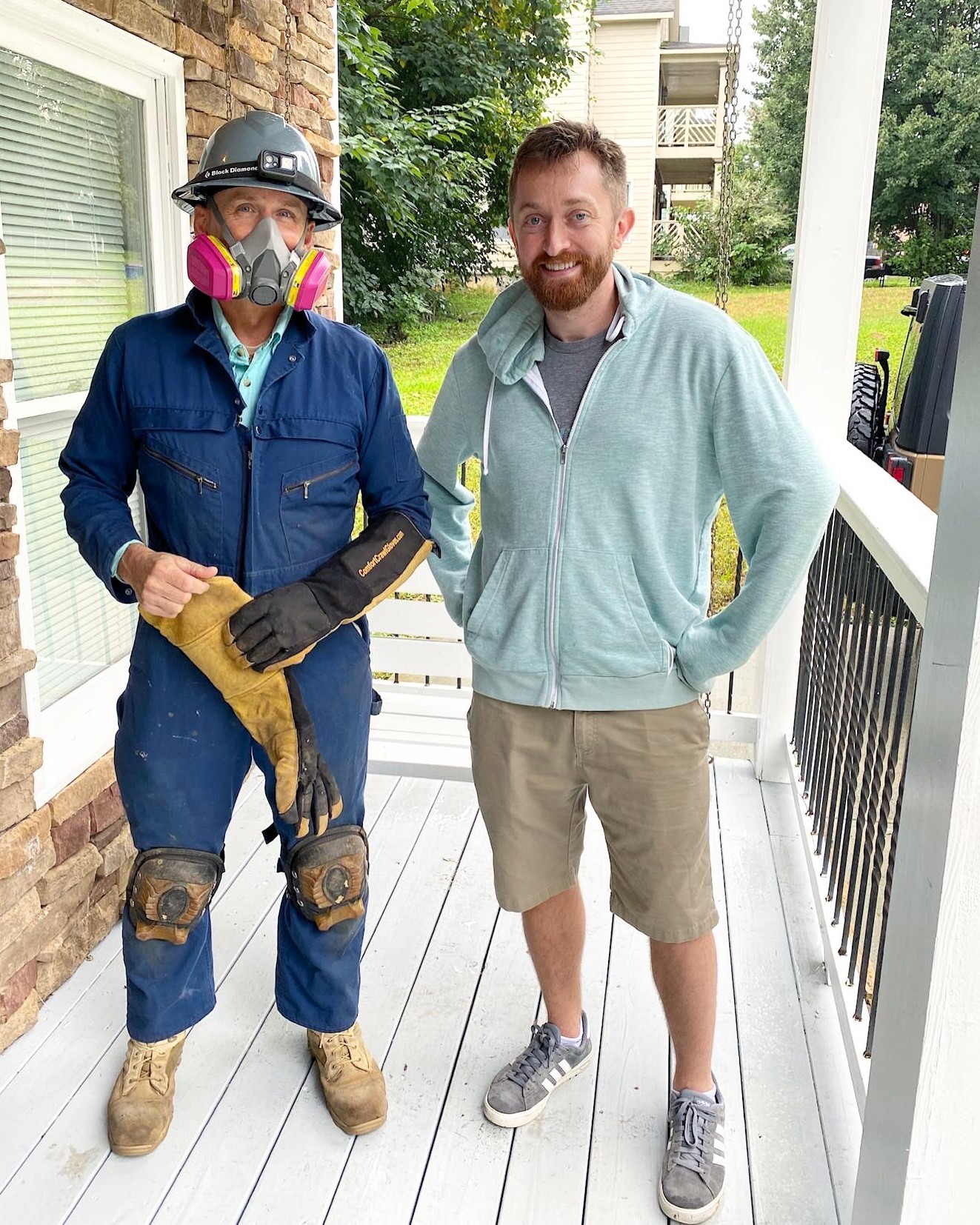
Home inspections sometimes require full protective gear — we go where others don’t.
“Do you explain findings during the inspection?”
The inspection should be educational. In fact, buyers should leave with a strong understanding—not just a long report to read later.
“Do you offer Radon Testing?”
Yes — many buyers include Radon Testing as part of their full home assessment.
The Best Way to Compare Pricing
Rather than comparing fees alone, compare:
Scope + Time + Reporting Quality
A great inspection provides:
- Better decision-making (repair / monitor / upgrade / negotiate)
- Negotiation leverage with clear documentation
- Less stress after closing
- A practical roadmap for ownership and maintenance
Final Thoughts
A home inspection is one of the best tools a buyer has to reduce uncertainty.
Regardless of your price point, the goal is the same: hire an inspector who delivers consistent detail, clear explanations, and thorough coverage of the major systems and hidden areas that matter most.
Ready to schedule? Visit my Home Inspection Services page or Schedule Your Inspection Online. Many buyers also add Radon Testing for a more complete assessment.