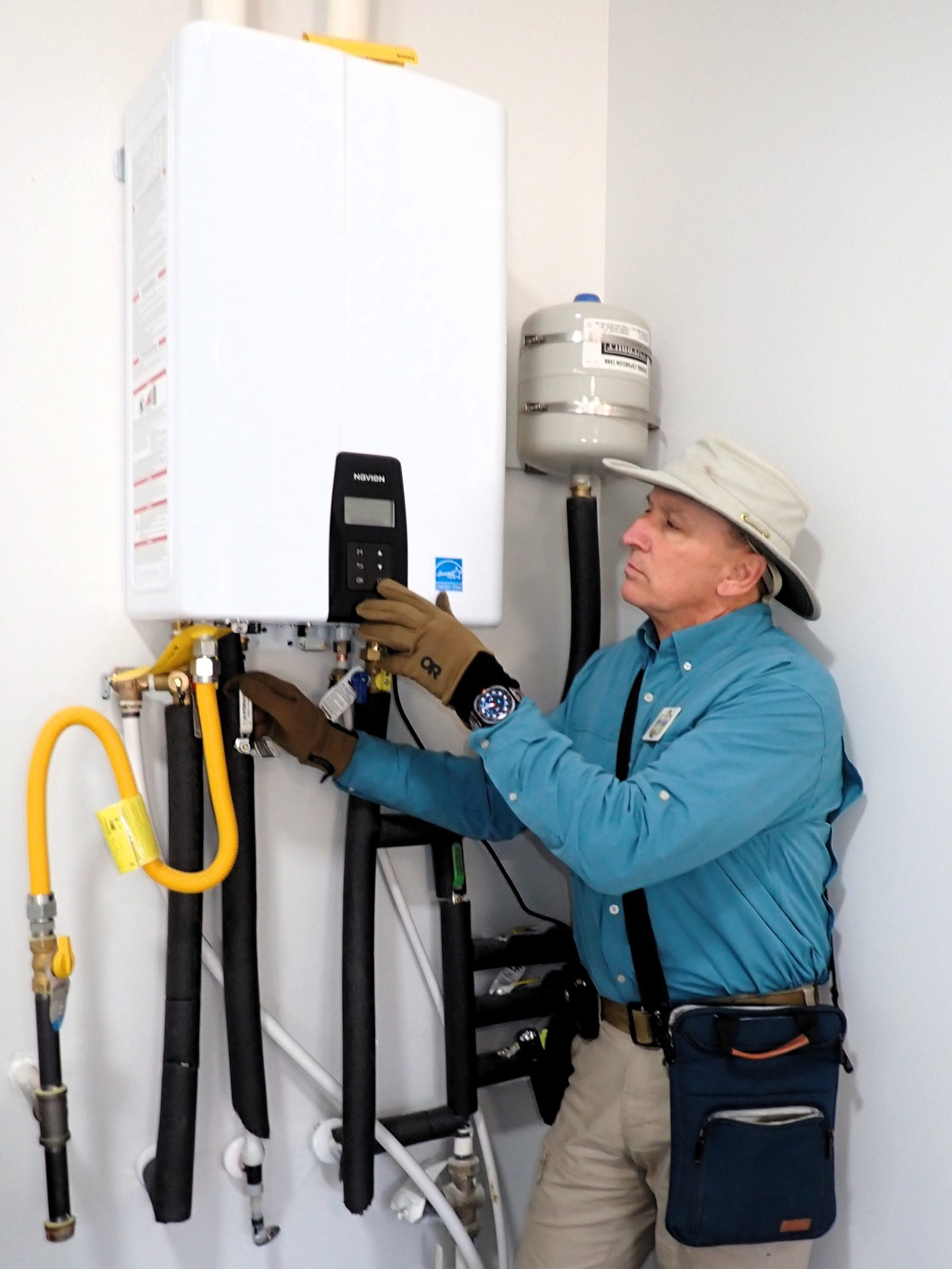
New Home Inspection in Johns Creek: Is It Worth It?
Agent + Inspector Q & A
It’s a fair question, especially in fast-growing areas like Johns Creek:
“If this is a brand-new home, fully permitted and inspected, why would I need a home inspection?”
New homes often look flawless — modern design, fresh finishes, and that new-home smell. Builders have their own quality control, municipalities conduct code inspections, and in Georgia, energy code vendors also certify compliance. So it should all be good… right?
Here’s the reality: there are a lot of moving parts. Multiple subcontractors, compressed timelines, weather delays, vendor substitutions, and simple human oversight. As a result, we routinely find issues that made it past every other checkpoint. For example, entire sections of attic insulation missing — even after municipal approval and energy code sign-off.
That’s why our role isn’t to “catch” builders or create alarm. It’s to inform. Our inspections are designed to give buyers peace of mind with:
- Clear documentation of any functional or safety concerns
- Guidance on what should be addressed before closing (or under warranty)
- And perhaps most importantly — a custom homeowner’s manual for your specific home
We show you where your main shutoffs are, what size filters you need, where they’re located, how your systems are laid out — things you’ll want to know long after the walkthrough is over. It’s one of the most useful and underrated parts of our process.
To illustrate this further, here’s a quick video Q&A with a local agent where we discuss what buyers need to know about new home inspections:
Why Inspect a Brand-New Home?
Even with reputable builders and county code inspections, new homes can have:
- Rushed finishes to meet deadlines
- Contractor miscommunications between trades
- Functional issues with HVAC, drainage, electrical, or roof venting
- Code-compliant but suboptimal work (big difference between “meets code” and “works well”)
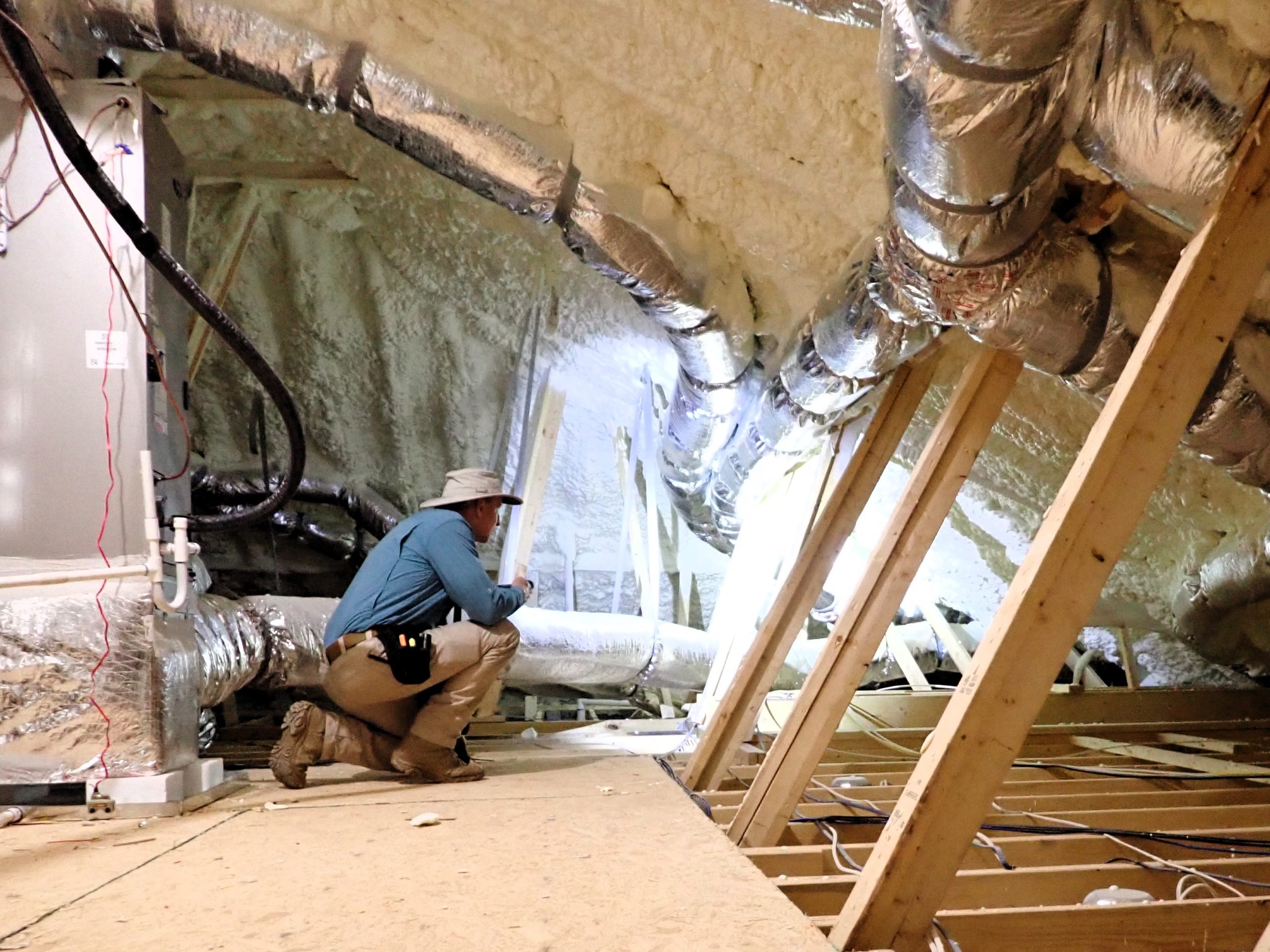
Our goal with a new home inspection isn’t to nitpick — it’s to catch items that affect performance, safety, and long-term livability. That includes attic insulation gaps, roof flashing defects, poor HVAC airflow, or water management issues.
What We Commonly Find in New Construction Inspections
- Disconnected attic ductwork
- Improper roof-to-wall flashing or missing kickout flashing
- Loose electrical terminations or missing outlet covers
- Reversed hot/cold plumbing at one or more fixtures
- Loose toilets or sinks that haven’t been fully sealed
- HVAC returns drawing from unconditioned spaces
- Exterior grading that slopes toward the home
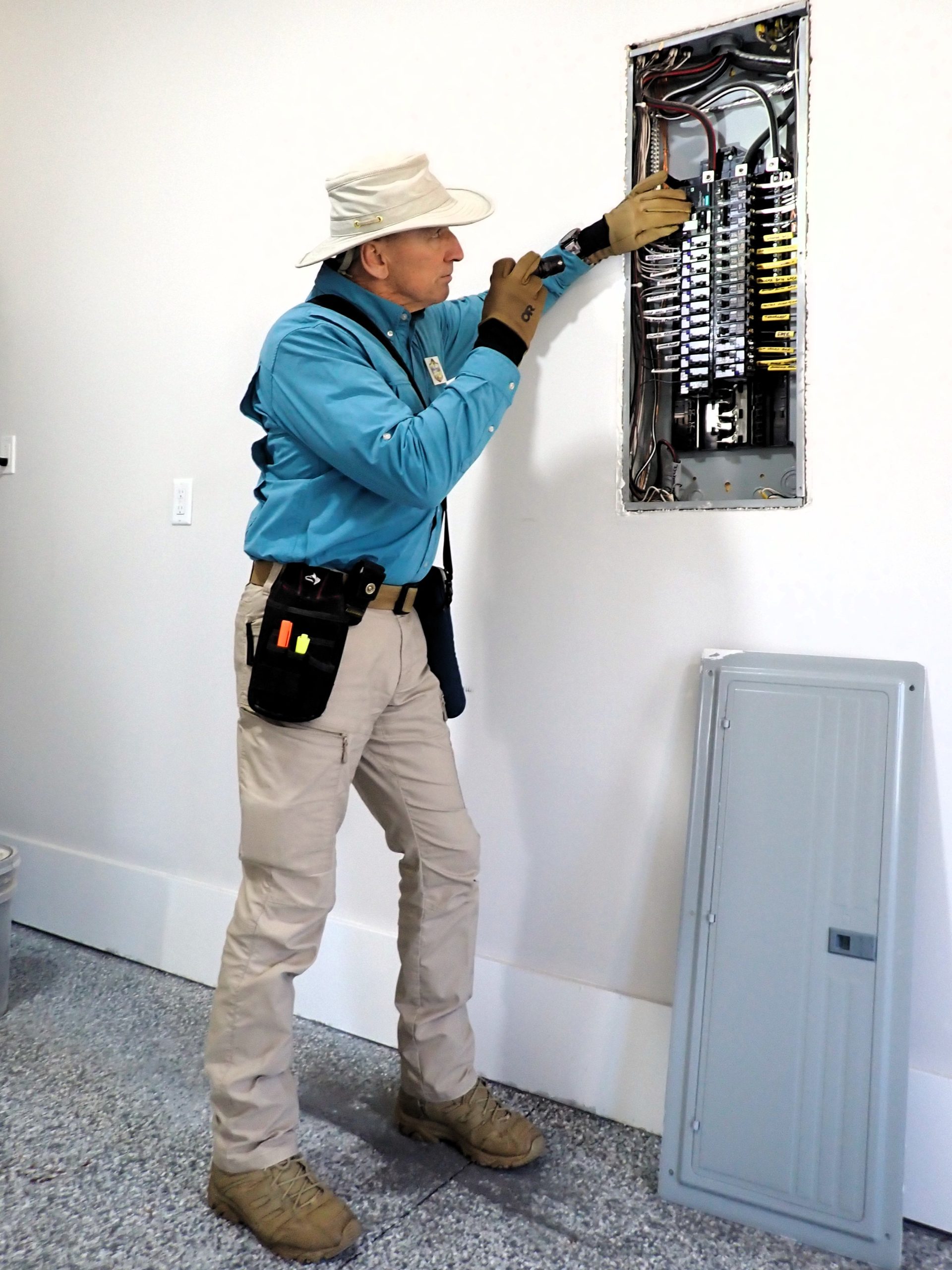
All of these are common and fixable — if caught before closing.
But Doesn’t the County Inspect It?
Yes, builders must pass municipal inspections. However, those are often focused on code minimums and may involve multiple different inspectors across phases. They’re not evaluating for buyer safety, performance, or resale risks.
A third-party home inspector works for YOU, not the builder. Our job is to protect your interests and provide photo-documented issues you can bring to the builder before closing or during your warranty window.
Agent Tip: Why New Construction Inspections Matter
When Should You Schedule a New Home Inspection?
There are two ideal times:
- Before closing: Known as the “final inspection,” usually done after the builder walk-through but before signing papers.
- Before the 11-month warranty expires: A great time to catch any issues that have developed since moving in — especially moisture, HVAC, drainage, or roof-related.
If you’re early enough in the build, you can also ask about a pre-drywall inspection — before insulation and drywall go up.
Final Thoughts
A home inspection on a new home may feel optional, but it’s one of the smartest ways to protect your investment. It’s not about finding fault — it’s about verifying that what was built works as intended and doesn’t leave you chasing repairs or warranty claims later.
Want help reviewing your new home before closing or before your warranty expires?
View Services or
Schedule Online.
And for inspection best practices, check out the ASHI Standards of Practice.