When Do You Need a Specialist After a Home Inspection? A Guide for Johns Creek and North Metro Atlanta Buyers
Let’s Break It Down: When and Why You Might Need a Specialist
Buying a home is exciting. Most inspections uncover a mix of normal maintenance items and a few things to plan for. Sometimes, a finding needs a closer look from the right specialist—and that’s a normal part of due diligence.
Not sure when to call a specialist after a home inspection? In Johns Creek and North Metro Atlanta, a specialist referral is often a normal (and smart) next step. It helps confirm scope, safety, and likely repair cost before closing.
A referral does not automatically mean the home has major problems. It usually means we’re being practical and getting clearer answers before you move forward—so your decisions are based on facts, not guesses.
I serve Johns Creek, Alpharetta, Suwanee, Cumming, Buford, and nearby North Metro Atlanta communities. Buyers and agents ask a fair question:
How do we know when it’s time to bring in a specialist?
Quick takeaway: A home inspection identifies visible conditions and risk indicators. A specialist confirms repair scope, offers direction on next steps, and often provides pricing clarity when a question falls outside a standard visual inspection.
Here’s what you’ll walk away with:
- What a specialist does that a general inspection cannot
- The most common situations where a specialist adds real value
- Which specialists do buyers and agents call most often in North Metro Atlanta
- What to do next if a specialist is recommended during due diligence
Video: When Do You Need a Specialist During a Home Inspection?
This quick video explains when to call a specialist after a home inspection so you can use your due diligence time wisely, without overreacting.
Quick wins (start here)
If you only remember a few things, start here:
- Don’t treat a specialist referral as a deal-breaker.
- Schedule specialists early in due diligence (not at the end).
- Share the inspection notes and photos so the specialist can focus fast.
- Ask for a clear scope and a rough cost range you can use in negotiations.
What “bring in a specialist” really means
A general home inspection is broad by design. It is a visual, non-invasive evaluation of accessible components. I evaluate the home’s main systems, document what I can see, explain why it matters, and recommend next steps.
A specialist comes in when the next step requires one or more of the following:
- Testing, measurements, or diagnostics
- Repairs, disassembly, or trade-level access
- A written scope, estimate, or stamped opinion
- Additional clarity on safety, structure, or long-term performance
Specialists help answer the practical questions buyers care about:
- Is this actually a problem, or is it normal wear
- What is the right repair
- What is the likely cost range
- How urgent is it
When a specialist is especially worth it
In most transactions, specialists add the most value in four situations:
Safety concerns
Electrical hazards, combustion concerns, gas-related issues, or unsafe installations deserve prompt specialist input.
Structural movement questions
When the “why” behind movement is unclear, an engineer can separate normal settlement from structural concerns.
Moisture intrusion and building envelope risk
Water drives a lot of expensive repairs. When moisture is active or recurring, a targeted evaluation can prevent surprises.
System performance questions
HVAC, plumbing, and roofing issues often come down to performance and remaining service life. A specialist can confirm what is really needed.
Common specialist referrals (and what triggers them)
Structural engineer
An engineer is useful when movement needs clarification. I often recommend an engineer when I see:
- Unusual cracking patterns, not just typical shrinkage cracks
- Notable floor slope or movement indicators
- Framing changes that may affect load paths
- Foundation concerns that may need a stamped opinion
Many cracks are cosmetic. A structural review provides clarity when the pattern is uncertain.
Licensed electrician
Electrical issues can be simple or safety-related. An electrician is a smart next step when I document:
- Panel concerns, damage indicators, or poor workmanship
- Double-tapped breakers, when not permitted by the manufacturer
- Aluminum branch wiring, where present
- DIY wiring, open splices, or missing junction box covers
- Repeated tripping, buzzing, or heat indicators at components
A licensed electrician can confirm the correct repair path and safety upgrades.
Roofing contractor
Roofing is about remaining service life and leak risk. A roofing specialist helps most when:
- The roof is near the end of its life, and budgeting matters
- Repairs look incomplete or inconsistent
- Staining suggests active or prior leakage
- Flashing details need confirmation
- The seller claims “new roof,” but the documentation is unclear
A roofing evaluation often turns uncertainty into a clear plan and timeline.
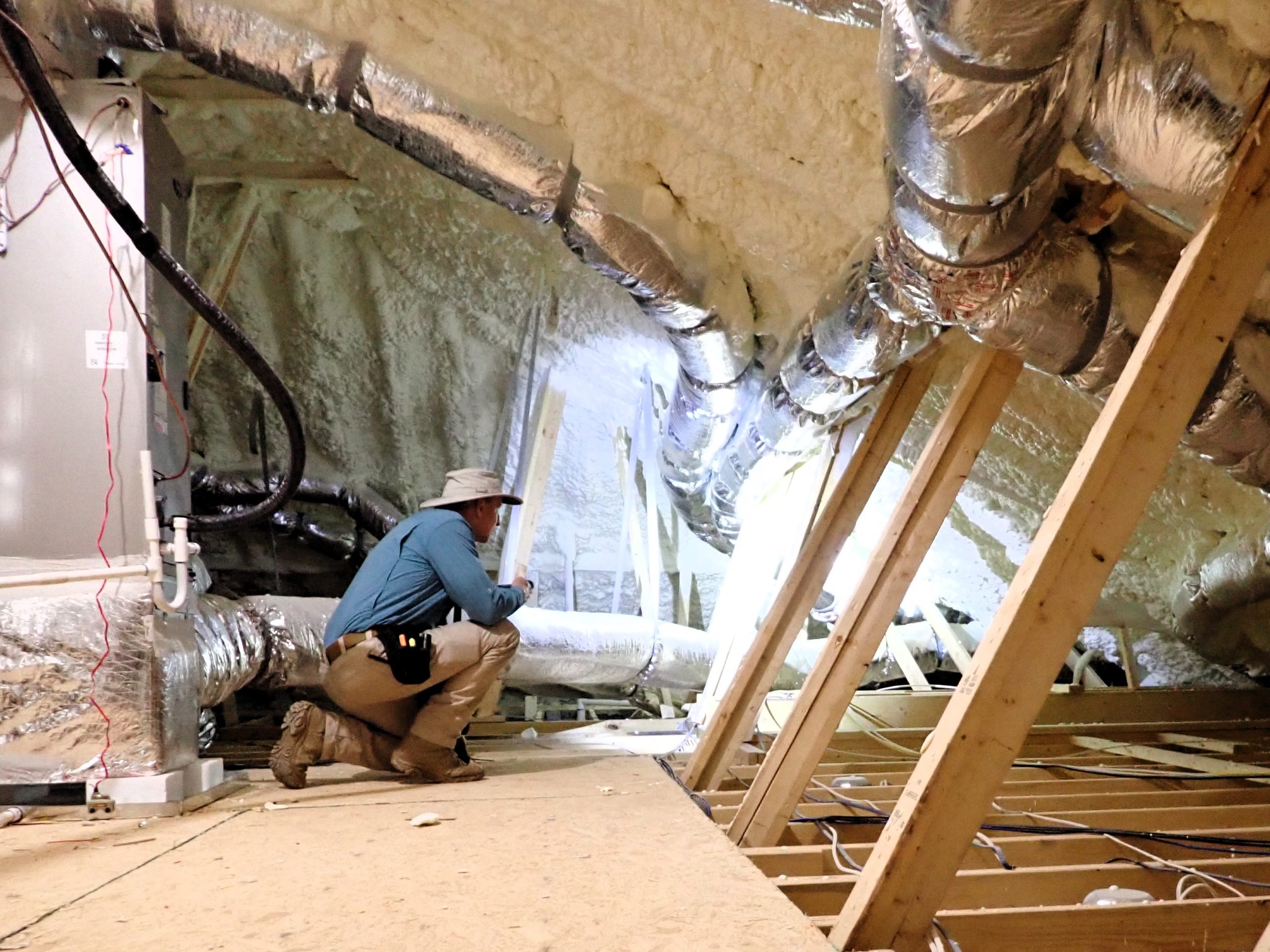
HVAC technician
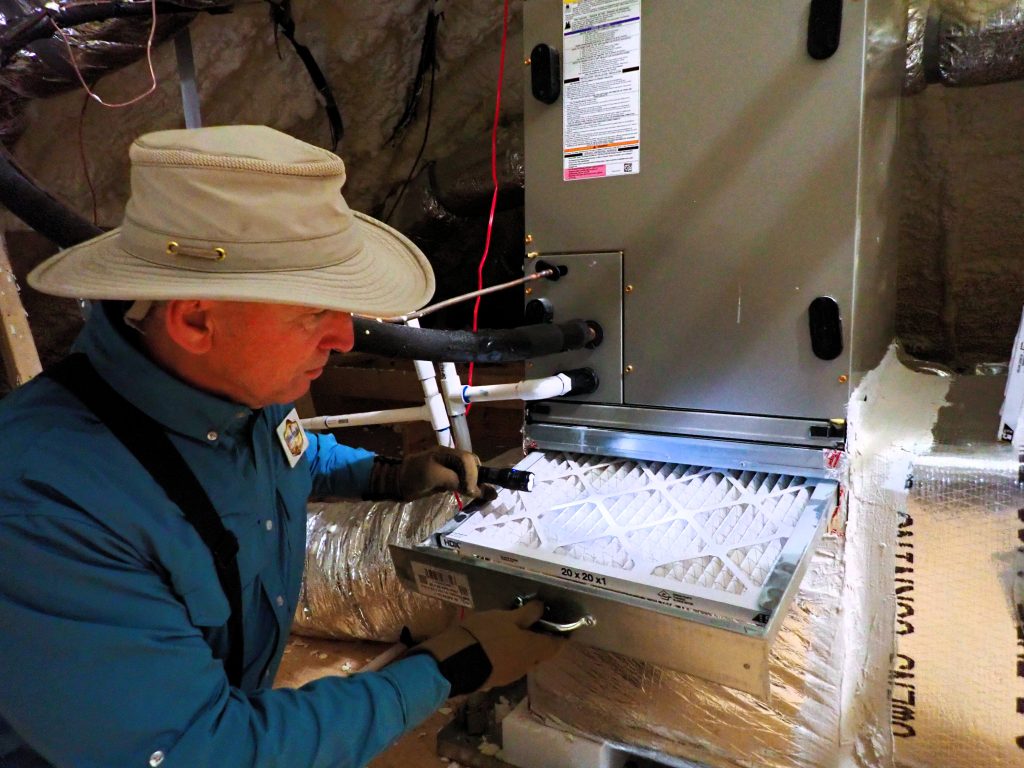
HVAC is one of the most common referrals, especially with attic systems in our area. A technician helps when:
- Temperature distribution is inconsistent or airflow is weak
- Service history is unknown and the system is older
- Drains, pans, or safety controls raise concerns
- Unusual noise or odor shows up during operation
- Installation quality appears questionable
A technician can confirm performance, safety controls, and likely repair needs.
Licensed plumber
Plumbing concerns vary widely. A plumber is helpful when I find:
- Active leaks or staining with unclear origin
- Older supply or drain materials that may require planning
- Functional drain concerns, slow drains, or recurring backup risk
- Water heater concerns, including age, venting, or safety items
- Water pressure irregularities or suspect repairs
A plumbing evaluation helps define whether you are dealing with a simple fix or a larger scope item.
Moisture or environmental specialist
Moisture is common in Georgia homes, especially in crawl spaces. A specialist can help when:
- Musty odor persists
- Visible fungal-like growth is present
- Humidity remains elevated
- Water intrusion is suspected or documented
In many cases, the right first step is moisture control and source correction. Sampling can be appropriate in certain scenarios.
Pest or termite inspector
In Georgia, termite evaluations are common during due diligence. A pest specialist is helpful when:
- Tubes, damaged wood, or conducive conditions are visible
- Wood decay appears active, and the cause needs confirmation
- Carpenter ant activity or rodent evidence is present
A termite letter, when applicable, plus repair guidance, can reduce surprises.
Septic system inspection (when applicable)
A general home inspection does not fully evaluate septic tank condition or drain field performance. If the home is on septic, I strongly recommend a proper septic evaluation and pump-out as appropriate to assess:
- Tank condition
- Baffles and inlet or outlet condition
- Drain field performance indicators
- Functional flow behavior
This is routine due diligence, not a sign that something is wrong.
Well inspection and water quality (when applicable)
Private wells need a different testing approach. A well specialist can evaluate:
- Pump and pressure system performance
- Storage or pressure tank behavior
- Water quality testing needs
- Flow rate and reliability
This protects comfort and health, not just the timeline.
How I help you decide (without overreacting)
My job is to keep the process calm and practical. When I recommend a specialist, I explain:
- What I observed
- Why it matters, or why it might matter
- What the specialist should evaluate
- What to prioritize during due diligence
If a specialist will not add meaningful clarity, I will say that too.
What buyers should do when a specialist is recommended
- Take a breath. Referrals are common and often precautionary.
- Schedule quickly. Specialists book up and timing matters.
- Share the inspection notes and photos so the evaluation stays focused.
- Ask for plain-language output, scope, and a rough cost range.
- Use the info to decide your next step, repair request, credit, or plan after closing.
Local context: North Metro Atlanta patterns that influence referrals
In Johns Creek and nearby areas, I often see patterns that affect whether a specialist makes sense:
- Crawl space moisture behavior and drainage details
- Attic HVAC installs, drains, pans, float switches, and duct performance
- Aging components common in the 1990s to 2000s construction
- Grading and downspout discharge can affect foundations over time
Local experience helps separate “normal for the neighborhood” from “needs a closer look.”
FAQ
Does a specialist referral mean the home is “bad”?
No. A referral usually means the inspection raised a question worth answering before closing. The goal is clarity—especially when a condition could affect safety, structure, or long-term performance.
Should we bring in specialists for every finding?
Not typically. Specialists add the most value when they can confirm a safety issue, define repair scope, or provide pricing guidance you can use during due diligence.
What if a specialist can’t come out in time?
If timing is tight, we’ll prioritize the highest-impact items first and talk through practical options based on your due diligence deadlines.
Bottom line
A good inspection helps you understand the home. A specialist helps you understand the repair scope when something falls outside a standard visual inspection—especially when you’re deciding when to call a specialist after a home inspection.
If you’re unsure when to call a specialist after a home inspection, I’ll tell you what matters most, what’s normal, and who to bring in first.
Ready to schedule?
- Learn More: Home Inspection Services
- Schedule Online; Book Your Inspection
- Questions: Send a Message
Related reading
- How to Choose a Home Inspector in Johns Creek
- Helpful Home Inspection Tips
- Pre-Listing Home Inspection (Johns Creek)
Helpful resources
DISCLAIMER: THIS ARTICLE IS FOR GENERAL INFORMATIONAL PURPOSES ONLY AND IS NOT LEGAL, REAL ESTATE, OR REPAIR ADVICE. CONDITIONS VARY BY HOME, AGE, AND ACCESSIBILITY AT THE TIME OF INSPECTION. ALWAYS CONSULT QUALIFIED PROFESSIONALS FOR EVALUATION AND REPAIRS.