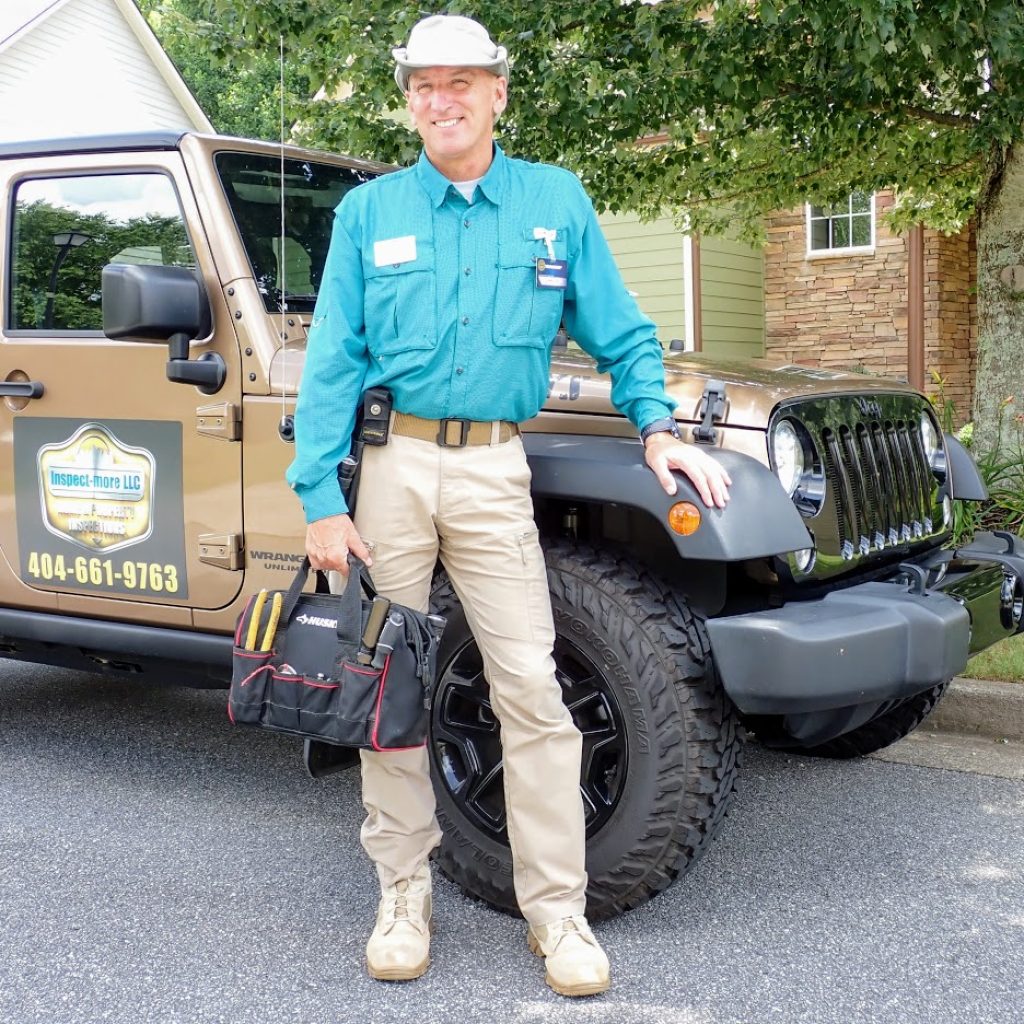
Meet Your Inspector
I’m Joe Moore, an ASHI Certified home inspector serving Johns Creek & North Metro Atlanta. My inspections are construction-informed, drawing on hands-on homebuilding experience to better interpret what I’m seeing, how systems are supposed to be assembled, where failures typically start, and which findings tend to matter most.
Questions or ready to schedule? Call (404)-661-9763 or Schedule Your Home Inspection.
Before the inspection: please ensure utilities are on, provide attic access, and clear access to the electrical panel and HVAC equipment.
What to expect
What to Expect – Inspection Video Series
What to expect during a home inspection in Johns Creek and North Metro Atlanta: this page provides short videos showing what we inspect, why it matters, and how to prepare for inspection day.
We offer a series of short, informative videos available on our website that explain many of the common systems and conditions evaluated during a home inspection.
How the inspection works
During a home inspection, we evaluate the major systems and visible components of the home and document material defects and safety concerns. You can expect us to review the roof, structure, exterior, attic, insulation, plumbing, electrical, heating and cooling equipment, and interior finishes.
To help you prepare, ensure that utilities are on, provide access to the attic, and clear any items that block mechanical equipment, service panels, and crawl space entrances. If you have questions during the inspection, we encourage you to attend—buyers often find it helpful to see key items in person and ask questions as we go.
Our goal is a clear, photo-supported report that helps you understand what matters most and what next steps may be appropriate.
For more details, visit our Home Inspection Services page, review our Sample Reports, or Schedule Your Home Inspection online.
What Really Matters in a Home Inspection
Not every defect carries the same risk. In this video, I explain how we focus on the items that most often affect safety, water intrusion, major repair costs, and long-term durability, then document clear next steps. You’ll see how we prioritize issues like moisture and drainage, structural red flags, electrical safety, roof/attic concerns, HVAC performance, and plumbing leaks. The goal is a practical, photo-supported report that helps you make confident decisions, not just a checklist.
Trees and Power Lines — Clearances, Safety, and Damage Risk
Trees and overhead lines can create real safety and maintenance issues. In this video, I cover why branch clearance matters, how overhanging limbs can damage roofing and gutters, and how storms can turn limbs into projectiles. We also discuss common concerns with power line clearances near the home, including service-drop hazards and why trimming near energized lines should be handled by qualified professionals. Managing tree growth and keeping proper clearances helps reduce damage risk, improve drainage performance, and avoid electrical hazards.
Gas Furnace Inspection — What We Evaluate
We review the furnace’s overall condition, basic operation, and common safety concerns that can affect comfort and reliability. During an inspection, we look at visible installation quality, venting and combustion air, condensate management (when applicable), service access, and signs of overheating or improper repairs. We also note safety-related concerns that may warrant further evaluation—especially issues that can contribute to carbon monoxide risk. If concerns are identified, we recommend follow-up by a qualified HVAC contractor.
Water Heater Inspection — Safety, Leaks, and Service Life
We evaluate the water heater’s visible condition, basic operation, and common safety concerns that can lead to leaks or failure. During the inspection, we look for active or prior leakage, corrosion, proper temperature/pressure relief (TPR) valve and discharge piping, venting (for gas units), electrical or gas connections, and signs of improper installation. We also consider age and expected remaining service life so you can plan ahead and avoid surprise replacement costs.
Attic Inspection — Moisture, Ventilation, and Insulation
We inspect the attic, where accessible because it often reveals early signs of roof leaks, ventilation problems, and insulation deficiencies. During the inspection, we look for moisture staining, active leaks, mold-like growth, and improper exhaust vent terminations. We also review visible framing and roof sheathing for notable defects, check ventilation conditions and bathroom/kitchen vent routing, and note insulation coverage and access limitations. Attic findings are documented with photos and practical recommendations, since many costly issues start above the ceiling line.
HVAC Inspection — Performance, Safety, and Common Service Issues
We evaluate the heating and cooling system’s visible condition and basic operation, with attention to common defects that affect comfort, reliability, and moisture control. During the inspection, we check for proper equipment support and service access, visible installation concerns, air filter location and return pathways, condensate management (primary drain, secondary pan/overflow protection where applicable), and signs of leakage or improper repairs. We also note safety-related concerns and conditions that typically warrant service by a qualified HVAC contractor.
Electrical System Inspection — Safety Concerns and Common Defects
We evaluate the home’s visible electrical system with a focus on safety and reliable operation. This includes inspecting the main service equipment and panels, checking for common defects such as improper wiring methods, double-tapped breakers (when not rated), missing bonding/grounding components, overheating indicators, and unsafe or non-standard modifications. We also test a representative number of receptacles and installed GFCI/AFCI devices where present, and note conditions that may warrant correction by a qualified electrician.
Plumbing System Inspection — Leaks, Materials, and Functional Issues
We inspect the home’s visible plumbing system for leaks, functional concerns, and safety-related defects. This includes evaluating supply piping and drain/waste/vent components where accessible, checking fixtures for operation and leakage, inspecting under-sink plumbing, and reviewing visible water heater connections, shutoff valves, and drain/TPR components. We also note common issues such as active leaks, corrosion, improper materials or connections, missing or inaccessible shutoffs, drainage concerns, and improper venting indications. Findings are documented so you can understand priorities and coordinate repairs with a qualified plumber as needed.
Crawl Space Inspection — Moisture, Structure, and Drainage
We inspect the crawl space or basement areas that are accessible because they often reveal moisture intrusion, structural conditions, and drainage issues that impact the entire home. During the inspection, we look for standing water, damp conditions, wood rot, mold-like growth, and signs of pests. We also evaluate visible framing and supports, insulation and vapor barrier conditions (when present), and common concerns such as improper grading or downspout discharge that can drive moisture problems below. Findings are documented with photos and prioritized recommendations.
Roof Inspection — Leaks, Flashing, and Service Life
We evaluate the roof’s visible condition with an emphasis on water intrusion risk and remaining service life. During the inspection, we look for damaged, loose, or missing roofing materials; improper or deteriorated flashing at penetrations and transitions; signs of past repairs; and conditions that can accelerate wear (poor drainage, debris buildup, or installation defects). We also review visible roof-related components such as gutters and downspout discharge where present, because many moisture problems start with drainage. Any concerns are documented with photos and practical next steps.
Exterior Inspection — Drainage, Moisture Risk, and Maintenance
We evaluate the exterior because drainage and water management drive many of the most common inspection findings. During the inspection, we look at grading and downspout discharge, exterior wall surfaces and penetrations, visible flashing details, and areas where moisture intrusion commonly starts (around windows, doors, decks, and trim). We also note conditions that can lead to premature deterioration. wood-to-soil contact, missing sealants, damaged siding, and deferred maintenance. Exterior findings are documented with photos and practical recommendations to reduce water-related risk.