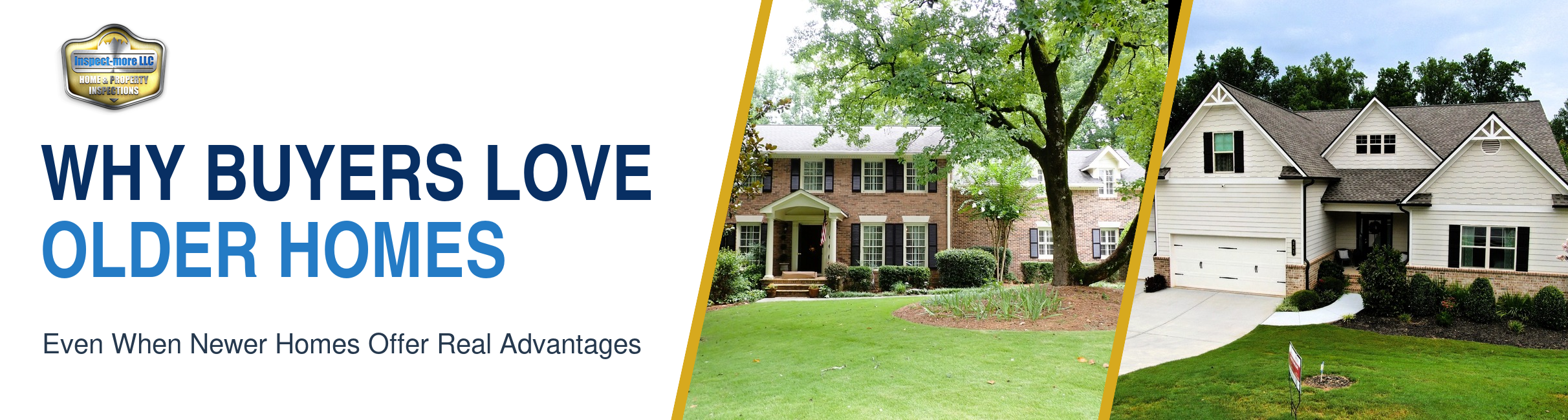
Why Buyers Fall in Love With Older Homes, Even When Newer Homes Offer Real Advantages
Sometimes a House Just Feels Like Home
By the time I meet buyers at the home inspection, they have usually toured several properties and compared different neighborhoods, floor plans, and construction styles.
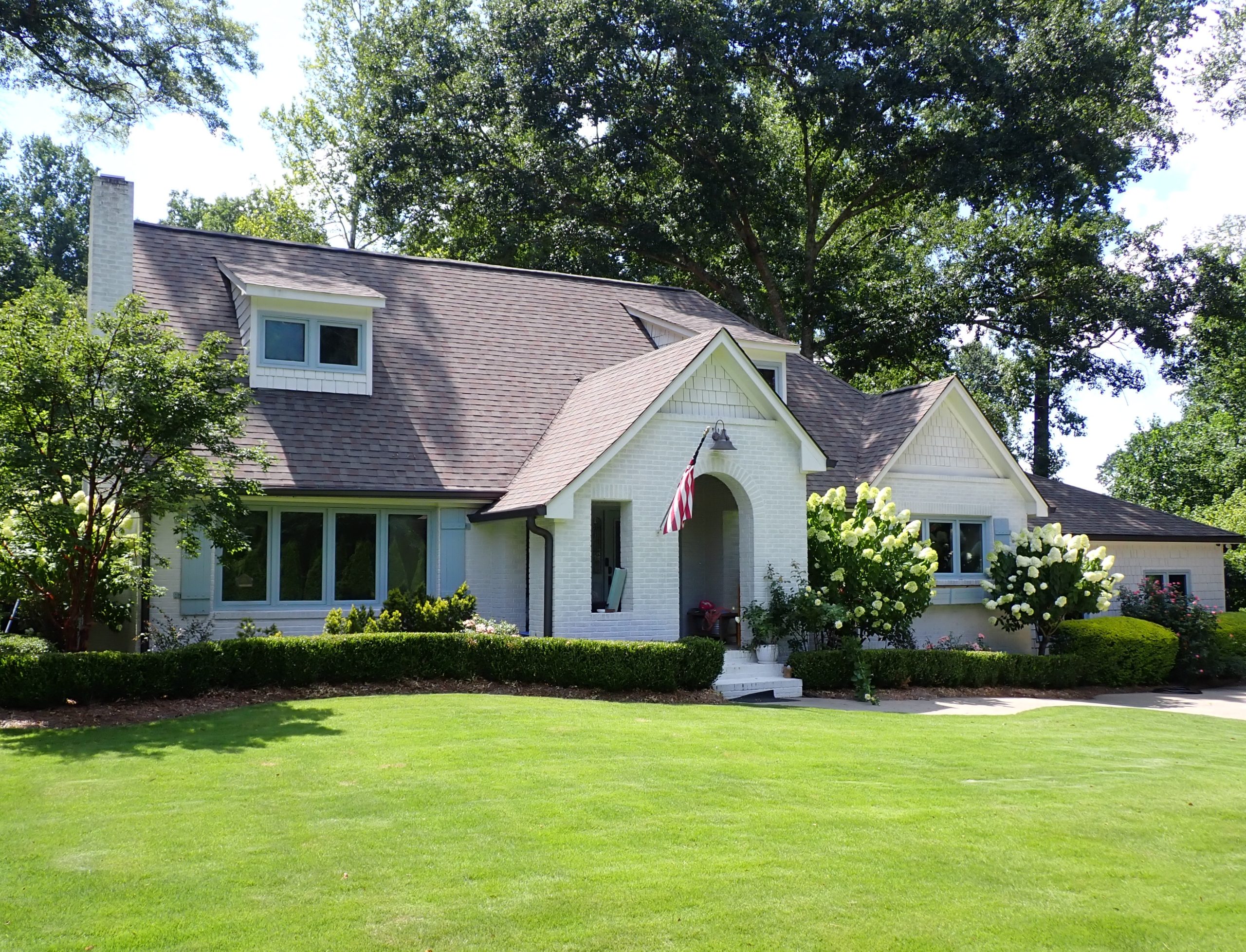
Quite often, they tell me why this particular home felt different. It may be the tree-lined streets, mature landscaping, larger lot, established surroundings, or architectural character they did not find in some of the newer homes they considered.
The newer option may have offered better energy efficiency, modern safety features, and fewer near-term maintenance needs. Even so, the older home simply felt more like home.
That is what makes this decision so personal. Buying a house is a financial decision, but it is also an emotional one. Location, privacy, architecture, and the feel of a neighborhood can matter just as much as the age of the roof or HVAC equipment.
As a third-generation builder and contractor, and now an ASHI Certified Inspector, I have spent decades around residential construction and have inspected thousands of homes throughout Johns Creek and North Metro Atlanta. That experience has made one thing clear: neither age nor appearance tells the whole story.
A home does not need to be new to be a good home. It does, however, need to be understood.
Joe’s Inspection Insight: The newest house does not always have the fewest inspection findings, and the oldest house does not always have the most. Condition, workmanship, maintenance, and the quality of past improvements usually tell us much more than age alone.
1. Quick Takeaways
- Older homes often win on location, lot size, mature trees, and neighborhood character.
- Newer homes often include safety, energy, and building science improvements that are easy to miss during a showing.
- Older homes may contain aging systems, older materials, moisture concerns, and past repairs that deserve a closer look.
- Newer homes are not defect-free, but they are generally built under more current standards.
- A home inspection helps buyers separate normal aging and maintenance from safety concerns and more significant defects.
Older Homes Often Offer
- Established neighborhoods
- Mature trees and landscaping
- Larger or more private lots
- Architectural character
- Proven materials and assemblies
- Convenient established locations
Newer Homes Often Offer
- Modern safety features
- Better insulation and air sealing
- More efficient HVAC equipment
- Energy-efficient windows
- Updated electrical protection
- Modern floor plans and amenities
2. Older Homes Often Win on Location and Character
Location is often one of the strongest reasons buyers choose an older home.
Established neighborhoods may offer mature trees, larger lots, shorter commutes, and convenient access to schools, shopping, and work. For many buyers, those qualities matter as much as the house itself.
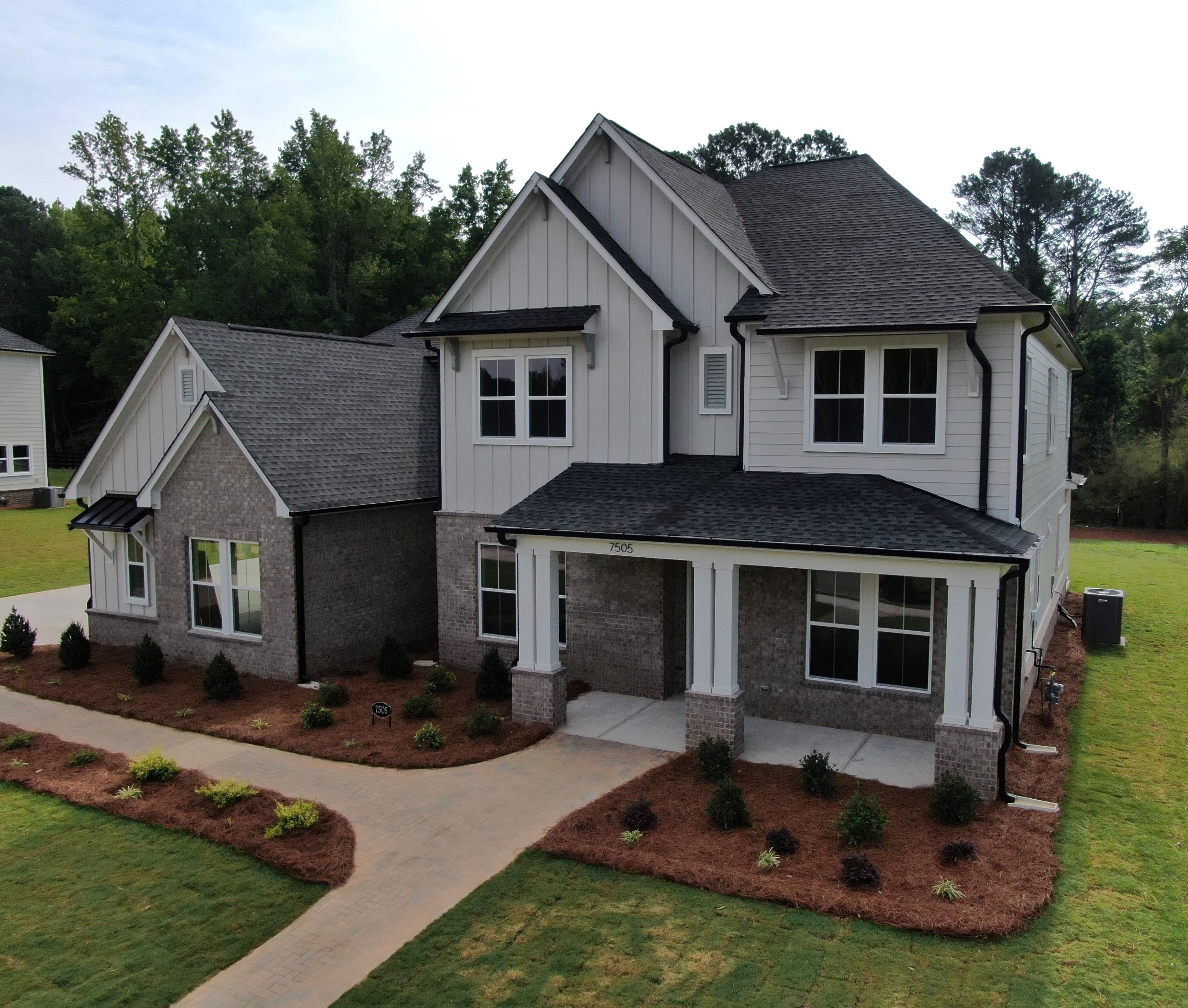
A newer home may provide improved efficiency, modern safety features, and more current materials. The tradeoff is that newer communities are often farther from established town centers or built on smaller lots.
In other words, buyers are not always comparing an old house with a new house. They may be comparing the neighborhood they want with the home that appears easier to maintain.
A History of Performance: One advantage of an older home is that its materials and systems have had time to show how they perform. The inspection helps identify what has held up well, what has been improved, and what may be approaching the end of its useful life.
3. Many Improvements in Newer Homes Are Hidden
When people compare older and newer cars, many of the improvements are easy to recognize. Airbags, backup cameras, sensors, fuel economy, and crash protection are visible selling points.
Homes have improved too, but many of those changes are hidden. Newer homes may include better insulation and air sealing, modern electrical safety devices, improved windows and flashing methods, more efficient HVAC equipment, and better water-management details behind the exterior cladding.
During a showing, buyers naturally notice the kitchen, flooring, paint, appliances, lighting, and layout. Those features matter. They simply do not reveal everything happening behind the walls, above the ceilings, or beneath the finishes.
4. Older Homes Were Often Built to Different Standards
A home built in the 1970s, 1980s, or 1990s may have been properly built for its time. That does not mean it includes the safety features, energy standards, or construction details expected today.
This is especially true for items such as smoke alarm and carbon monoxide alarm placement, GFCI and AFCI electrical protection, deck and guardrail construction, attic insulation levels, stair geometry, handrail graspability, exterior flashing, garage fire separation, and window safety glazing locations.
In a resale home, not every older condition is automatically a defect that must be corrected. Some items simply reflect the standards in place when the home was built.
The important part is understanding the difference between an older standard, a worthwhile safety upgrade, deferred maintenance, and an active defect. A good inspection report should explain that difference clearly.
5. Maintenance Matters More Than Age
Every home requires maintenance and repair, whether it is old or new. In my experience, the older homes that perform best during an inspection are usually the ones that have been cared for consistently over time. That care is usually visible.
This means more than applying fresh paint, installing new LVP flooring, or replacing the countertops before listing. Those improvements may make a home look newer, but they do not necessarily show how well the home itself has been maintained.
The best-maintained older homes often show evidence of meaningful improvements, including:
- Properly updated electrical and plumbing systems
- Regularly maintained roofing, flashing, siding, and exterior drainage
- Thoughtful structural repairs
- Improved insulation and ventilation
- Professionally replaced windows or mechanical equipment
- Renovations that appear carefully planned and properly completed
- Repairs that address the cause of a problem rather than simply concealing its symptoms
My construction background helps me recognize the difference between improvements that may extend the useful life of a home and cosmetic changes that mainly improve its appearance.
A well-maintained older home can perform better during an inspection than a much newer home that has received little attention. Homes do not deteriorate simply because they get older. Problems grow when needed maintenance and repairs are repeatedly postponed.
Joe’s Inspection Insight: New finishes change how a house looks. Consistent maintenance and properly completed improvements change how well it performs.
6. The HGTV Effect: Appearance Is Not the Same as Condition
Home-improvement television and real-estate marketing have changed how many buyers evaluate homes. Fresh paint, new flooring, decorative lighting, open shelving, updated countertops, and remodeled kitchens can create a strong first impression.
There is nothing wrong with those improvements. They may be attractive and worthwhile. The concern is that fresh finishes can draw attention away from the more consequential parts of the property.
While buyers are understandably looking at finishes, an inspector is evaluating items such as:
- Roofing and flashing
- Exterior drainage and grading
- Structural movement
- Moisture intrusion
- Electrical safety
- Plumbing installation
- Heating and cooling performance
- Attic and crawl-space conditions
- Siding, trim, and building-envelope details
- The quality of visible repairs and renovations
A beautiful kitchen does not correct poor site drainage. New flooring does not repair a moisture-damaged subfloor. Fresh paint does not update an aging electrical system. Cosmetic improvements and building performance are not the same thing.
This does not mean cosmetic renovation is unimportant. It means buyers should look beyond the surfaces when considering the home’s condition and likely ownership costs.
Beyond the Finishes: A home can look beautifully updated and still contain significant deferred maintenance. Another home may look dated while having a sound roof, dependable systems, good drainage, and years of useful service remaining.
7. Moisture Management Is One of the Biggest Differences
Many expensive home repairs begin with water.
Older homes may have aging roof coverings, older flashings, deteriorated sealants, poor grading, clogged or missing drainage systems, older stucco or EIFS details, deteriorated siding, or deck connections that have been exposed to moisture for decades.
Water-related problems can affect wall sheathing and framing, exterior trim and siding, basements and crawl spaces, decks and porches, masonry veneer and lintels, interior finishes, and indoor air quality.
That is why I pay close attention to drainage, grading, roof-to-wall intersections, kick-out flashing, exterior penetrations, crawl spaces, basements, and places where wood is too close to soil, concrete, or masonry.
Moisture concerns are not always dramatic at first. They may begin as a small stain, soft trim, open mortar joints, peeling paint, or an area that stays damp. Given enough time, those early signs can develop into much larger repairs.
8. Older Homes May Contain Materials With Known Performance Concerns
Some building products were widely used for years before their long-term performance concerns were fully understood.
Two examples found in some older North Metro Atlanta homes are polybutylene plumbing and certain engineered wood or hardboard siding products.
Polybutylene Plumbing
Polybutylene plumbing was used in many homes from the late 1970s into the mid-1990s. To a buyer, it may look like ordinary plastic piping. Inspectors recognize it as a material with a history of leakage and reliability concerns.
Finding polybutylene does not automatically make the home a poor purchase. It does mean the buyer should understand the potential risk, review any available repair history, and consider further evaluation or replacement estimates.
Older Hardboard or OSB-Based Siding
Some older hardboard or OSB-based siding products, including certain Louisiana-Pacific products often referred to as LP siding, may be prone to moisture absorption, swelling, edge deterioration, delamination, or hidden decay beneath the paint.
Again, the presence of an older material does not automatically make the home a bad purchase. It means the material deserves closer attention during the inspection.
9. Buyers Often Underestimate Long-Term Maintenance Costs
Most buyers understand that an older home may need some work. The challenge is knowing what kind of work.
It is easy to budget for visible improvements such as paint, flooring, fixtures, or appliances. Less visible repairs are often the ones buyers underestimate.
Siding replacement, structural deck repairs, drainage correction, plumbing replacement, retaining wall repairs, stucco or EIFS work, crawl space moisture control, and electrical upgrades can cost much more than cosmetic improvements.
That does not mean every older home is a money pit. Many have been carefully maintained and improved over time. Buyers simply need realistic expectations about the work that may come with the property.
A home inspection helps separate routine maintenance from larger concerns that may deserve further evaluation, repair estimates, or discussion during due diligence.
10. Newer Homes Are Not Perfect Either
Newer homes are not automatically defect-free. They are still assembled on a job site by many people, often under demanding schedules.
New construction can include installation errors, rushed workmanship, missing flashing, incomplete insulation, drainage concerns, HVAC issues, roofing defects, and unfinished details.
The advantage of a newer home is not perfection. It is the benefit of more current materials, updated safety standards, improved energy requirements, and modern construction methods.
New Does Not Mean Defect-Free: An independent inspection can identify incomplete work and installation concerns while the builder is still in a position to correct them.
A thorough inspection should do more than produce a list of deficiencies. It should explain what was found, why it matters, and what the realistic next step may be. You can see how I document and explain these findings on the Sample Home Inspection Reports page.
11. So Should Buyers Avoid Older Homes?
No. Older homes can be excellent purchases.
They may offer character, location, mature landscaping, larger lots, and quality features that are difficult to duplicate in newer construction.
The key is understanding the difference between charm and condition. A beautiful older home may still have aging systems, moisture concerns, deteriorated exterior materials, or older plumbing, wiring, and HVAC equipment.
The inspection does not tell buyers whether to love the house. It helps them understand what may come with owning it.
12. What a Home Inspection Helps You Understand
A home inspection is not about making an older home look bad or making a newer home look perfect. It is about explaining the visible condition of the property in practical terms.
A good report should help buyers separate safety concerns, functional defects, aging components, maintenance needs, and items that deserve further evaluation by a specialist.
That context is especially valuable in an older home, which may include decades of repairs, updates, weather exposure, remodeling, and maintenance history. It matters just as much in newer construction, where new does not always mean correctly installed.
In either case, the goal is the same: better information before closing and fewer surprises afterward.
Inspector’s Note: My role is not to steer a buyer toward an older or newer home. It is to help the buyer understand the particular home being considered.
Final Thoughts: The Best Home Is the One You Understand
I have inspected homes that were more than a century old and homes that were less than one hundred days old.
Some older homes were exceptionally well maintained and thoughtfully improved. Others had years of deferred repairs behind fresh finishes. Some new homes were carefully constructed and needed only minor corrections. Others had defects that deserved attention before closing.
Age alone has never told me whether a house is a good house. The condition of the structure, quality of the workmanship, history of maintenance, and way previous improvements were completed tell the more important story.
During one inspection, the buyers were surprised by how much practical information was being shared. Their agent explained it this way:
“This is why we use Joe for our clients. He knows a thing or two because he has seen a thing or two.”
That comment stayed with me. Experience is one of the most valuable tools an inspector brings to a property. After decades in construction and thousands of inspections, I have seen how homes age, how materials fail, how repairs perform, and how small conditions can develop into larger concerns.
My job is not to decide whether an older home or a newer home is right for you. It is to help you understand the home you have chosen before you make it your own.
The Goal Is Clarity: No home is perfect. The important thing is understanding what you are buying.
Frequently Asked Questions About Older Homes and Home Inspections
Are older homes harder to inspect than newer homes?
Not necessarily, but they often have more history to consider. Aging systems, past repairs, additions, remodeling, moisture exposure, and older construction standards can make the inspection more complex.
Is an older home a bad investment?
No. Many older homes are excellent purchases, especially when they have been well maintained. The key is understanding the condition of the structure, exterior, roof, plumbing, electrical system, HVAC equipment, drainage, and other major components before buying.
Should I inspect a newer home too?
Yes. Newer homes and new construction can still have installation errors, incomplete work, drainage problems, insulation defects, roofing issues, and HVAC concerns. An independent inspection gives the buyer an opportunity to have those conditions documented before closing or during the builder’s warranty period.
What are common concerns in older homes?
Common concerns include aging roofs, older electrical systems, older plumbing materials, moisture intrusion, deteriorated siding or trim, deck safety issues, drainage problems, foundation movement, outdated safety features, and aging HVAC equipment.
What is the benefit of a home inspection before buying an older home?
It helps buyers understand visible defects, safety concerns, maintenance needs, aging components, and items that may require further evaluation by a specialist before closing.
Buying an Older Home in Johns Creek or North Metro Atlanta?
Before closing, make sure you understand more than the finishes and floor plan.
Inspect-More LLC provides detailed, construction-informed home inspections for buyers in Johns Creek, Alpharetta, Cumming, Suwanee, Milton, Buford, and nearby North Metro Atlanta communities.
View the sample reports to see how findings are documented, or schedule an inspection when you are ready.